
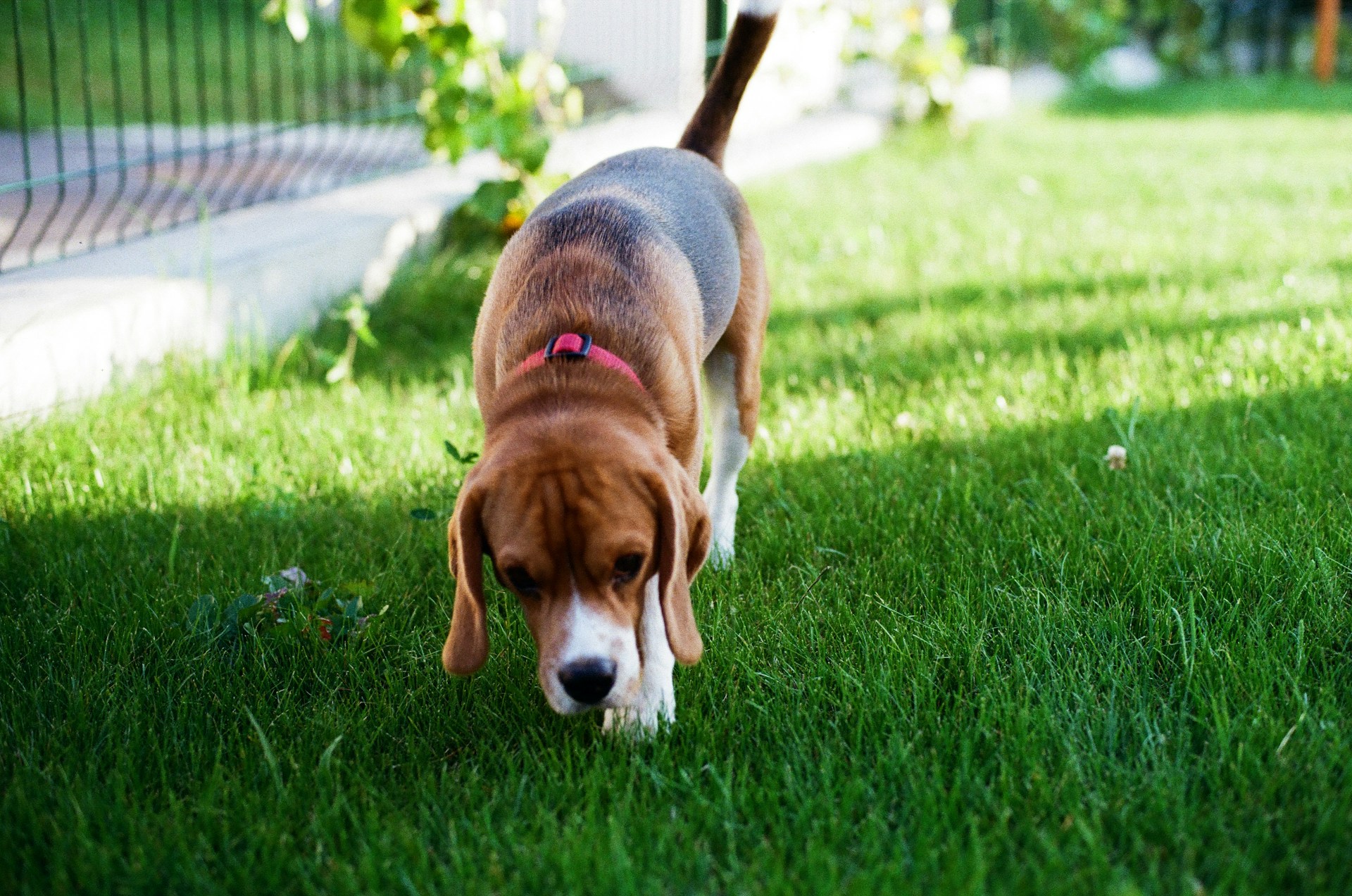
Why Dog Urine Odor Hangs Around Katy Lawns
Dog owners in Katy and Fulshear know that strong urine smell in the yard is not just a summer thing. You step outside on a nice fall evening, hoping for fresh air, and instead get hit with that sharp dog pee odor. The grass looks mostly fine, but the smell around certain spots can be rough.
Our local weather, the way most of us water our lawns, and our heavy clay soil, all work together to hold onto that odor. Those “hot spots” where your dog likes to pee do not just fade away on their own. In this post, we will walk through why the smell sticks around, what is going on in the grass and soil, and what really helps prevent those repeating urine spots, from smarter lawn habits to professional help.
How Katy Heat and Humidity Lock in Urine Odor
Dog urine is not just water. It contains urea, salts, and other compounds that break down into ammonia and smelly gases. In a hot, sunny place like ours, those compounds react and release odor fast. You can almost feel it rising off the lawn on a still afternoon.
Here is what happens in our area:
- Heat speeds up the breakdown of urine into ammonia
- Humidity slows down how quickly those odors float away
- Still air lets smell sit low over the grass instead of clearing out
Even in fall, our afternoons stay warm. That warmth can “reactivate” old urine spots that got wet again from sprinklers or a quick rain. They may not smell strong in the morning, but by afternoon and early evening, the odor can come back, especially where air does not move much.
Some areas are worse than others:
- Narrow side yards between houses
- Corners by fences or storage sheds
- Around AC units or thick shrubs with low airflow
Those spots act like little odor pockets. Even when the rest of the yard feels okay, these areas can trap dog urine smell and make it feel like the whole lawn is dirty.
Irrigation Habits That Make Odor and Hot Spots Worse
Sprinkler systems are great, but the way many yards are set up in Katy and Fulshear is not great for dog urine control. Most systems are set to run short, frequent cycles. The grass gets wet, but the water does not move deep into the soil.
That causes problems:
- Shallow watering keeps urine and salts near the surface
- The thatch layer (that mix of dead grass and roots) soaks up urine like a sponge
- Smell stays right where you and your dog walk and play
Overwatering some areas can make things worse. Dogs often prefer spots near:
- Patios and decks
- Back doors
- Paths along the fence
When sprinklers overspray these zones, the water does not flush the urine down. Instead, it spreads those salts sideways through the thatch and topsoil. The result is a bigger yellow or brown “hot spot” and a wider odor zone.
A good dog urine odor eliminator in Katy, TX works best when it is teamed up with smarter watering habits. Deep, less frequent watering helps push urine deeper, away from the surface. Quick, targeted rinsing right after your dog pees in a known spot can also help stop burning and cut down smell before it sets in.
What Dog Urine Does to Katy Clay and Your Grass Health
Our local soil is usually heavy on clay. Clay holds water tightly, drains slowly, and gets compacted from foot traffic and pets. That means when a dog pees, the liquid does not move very far down. It hangs out in the top inch or two, where you see and smell it most.
Over time, repeated peeing in the same place creates:
- High salt pockets that dry out and scorch grass blades
- Extra nitrogen that can burn grass instead of feeding it
- A perfect snack for odor-causing bacteria right near the surface
So you get that classic pattern: rich green ring around the outside of the spot, and a yellow or brown center where the concentration is strongest. And the smell sits right on top of that damaged area.
Masking the smell with perfumes or strong cleaners does not fix this. The real problem is in the soil and thatch layer. You need products and practices that break down urine compounds, help balance salts, and slowly improve soil structure. Over time, that makes grass more resilient to future accidents.
Smart Prevention with Training, Yard Zones, and Fall Lawn Care
You cannot stop your dog from peeing, but you can control where and how that urine hits your yard. One of the best long-term moves is to create a designated potty zone.
Good options for a dog potty area include:
- Pea gravel
- Mulch that drains well
- Dog-friendly artificial turf with proper base and drainage
When you guide your dog to one small area, you can rinse and treat it with a dog urine odor eliminator in Katy, TX more easily. The rest of the yard stays safer for kids, guests, and bare feet.
Simple training steps help:
- Put your dog on a leash for bathroom trips at first
- Take them to the potty zone every time and wait them out
- Reward with praise or a small treat when they use the spot
- Use temporary fencing or garden edging to keep dogs off new seed or stressed grass
Fall is a great time to help your lawn recover from summer urine stress. The days are a bit shorter, the sun is not quite as intense, and lawns are already in “repair mode.” Aeration, overseeding, and adding organic matter to your soil can:
- Relieve compaction in clay soil
- Help water and treatments move deeper
- Support thicker, stronger grass that can handle some pet use
Combine these steps with consistent cleanup and treatment, and you will see fewer new hot spots over time.
Professional Odor Control and Sanitizing That Actually Works
Scooping poop is important, but it is only part of the story. Urine is invisible and spreads wider than solid waste, which is why odor can feel worse even when the yard looks clean. Professional pet waste removal and yard sanitizing bring extra tools to the table.
A good service will focus on:
- Regular waste removal to cut down bacteria and flies
- Enzyme-based sprays that break down urine compounds
- Targeted odor control in repeat pee zones and along dog paths
- Surface-safe disinfecting in high-traffic dog areas
Because we work in Katy and Fulshear yards all the time, we see the same patterns with clay soil, sprinkler setups, and dog habits. That helps us match the right type of treatment and visit schedule to each property. For homes with several dogs or small yards, frequent visits interrupt the buildup cycle so odors never get a chance to take over.
When cleanup and odor control are handled on a regular basis, you get fewer burned spots, less smell trapped in corners, and a yard that feels ready for family time again.
Take Back Your Yard Before the Holidays Arrive
As we move into the holiday season, many families spend more time in the backyard with guests, kids, and pets. The last thing you want is a strong dog urine smell greeting everyone at the gate. Late October and early November are a smart window to get ahead of the problem so your lawn feels fresh for cookouts and gatherings.
A simple game plan looks like this: adjust your watering to be deeper and less frequent, set or refresh a clear potty zone for your dog, use a quality dog urine odor eliminator in Katy, TX in those high-use spots, and pair it with recurring yard cleaning and sanitizing from a local team that understands our soil and climate. With the right habits and steady support, a clean, odor-free yard is possible all year for Katy and Fulshear dog owners.
Eliminate Odor At The Source And Restore A Fresh, Clean Home
If dog urine smells are lingering no matter how much you clean, we are ready to help you fix the problem at its source. At Clean Paws Katy, we use professional products and methods designed specifically to work as a targeted dog urine odor eliminator in Katy, TX. Our team will assess the affected areas, recommend the right treatment, and schedule service at a time that works for you. Reach out today so we can help your home smell clean and comfortable again.
